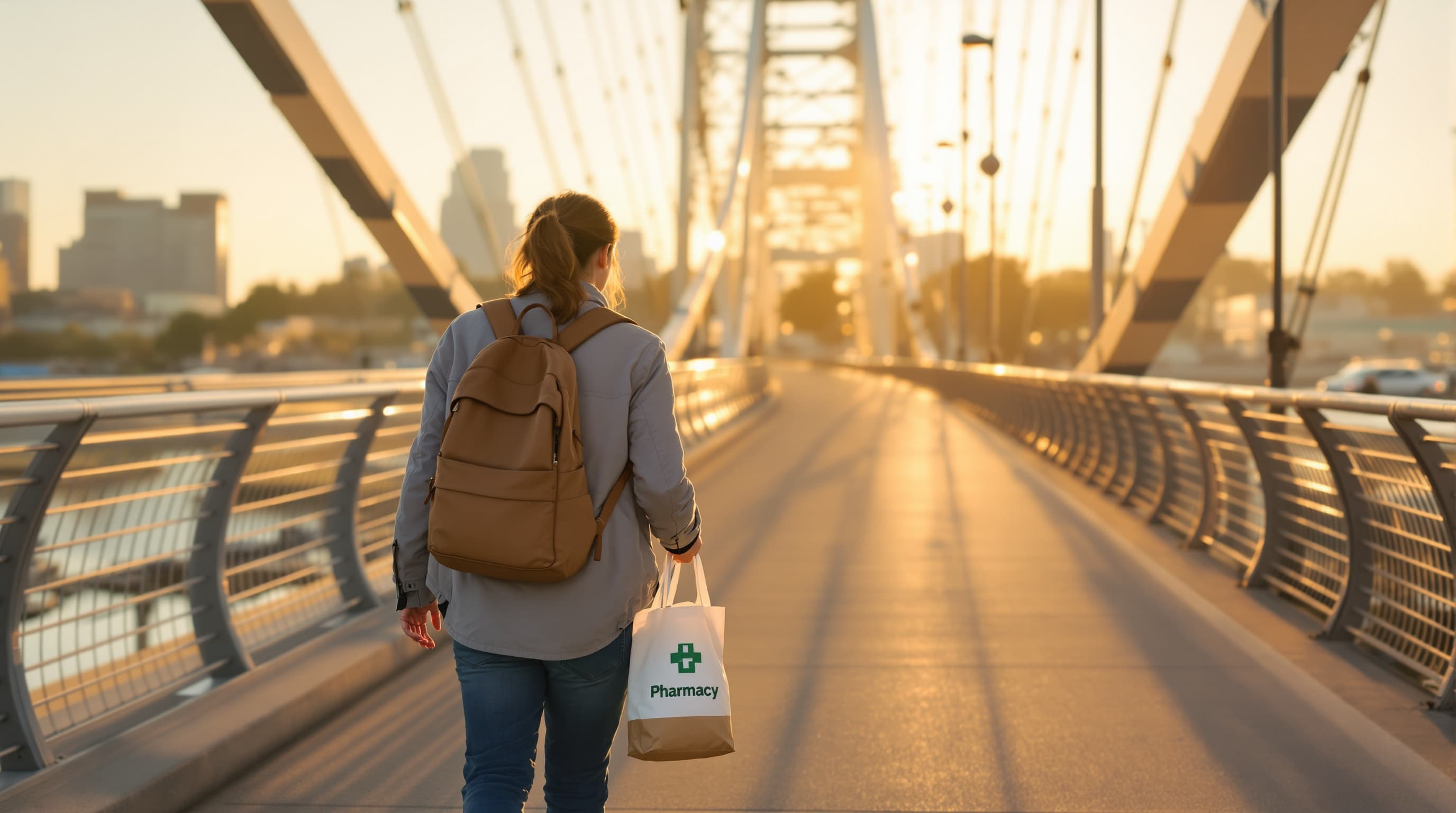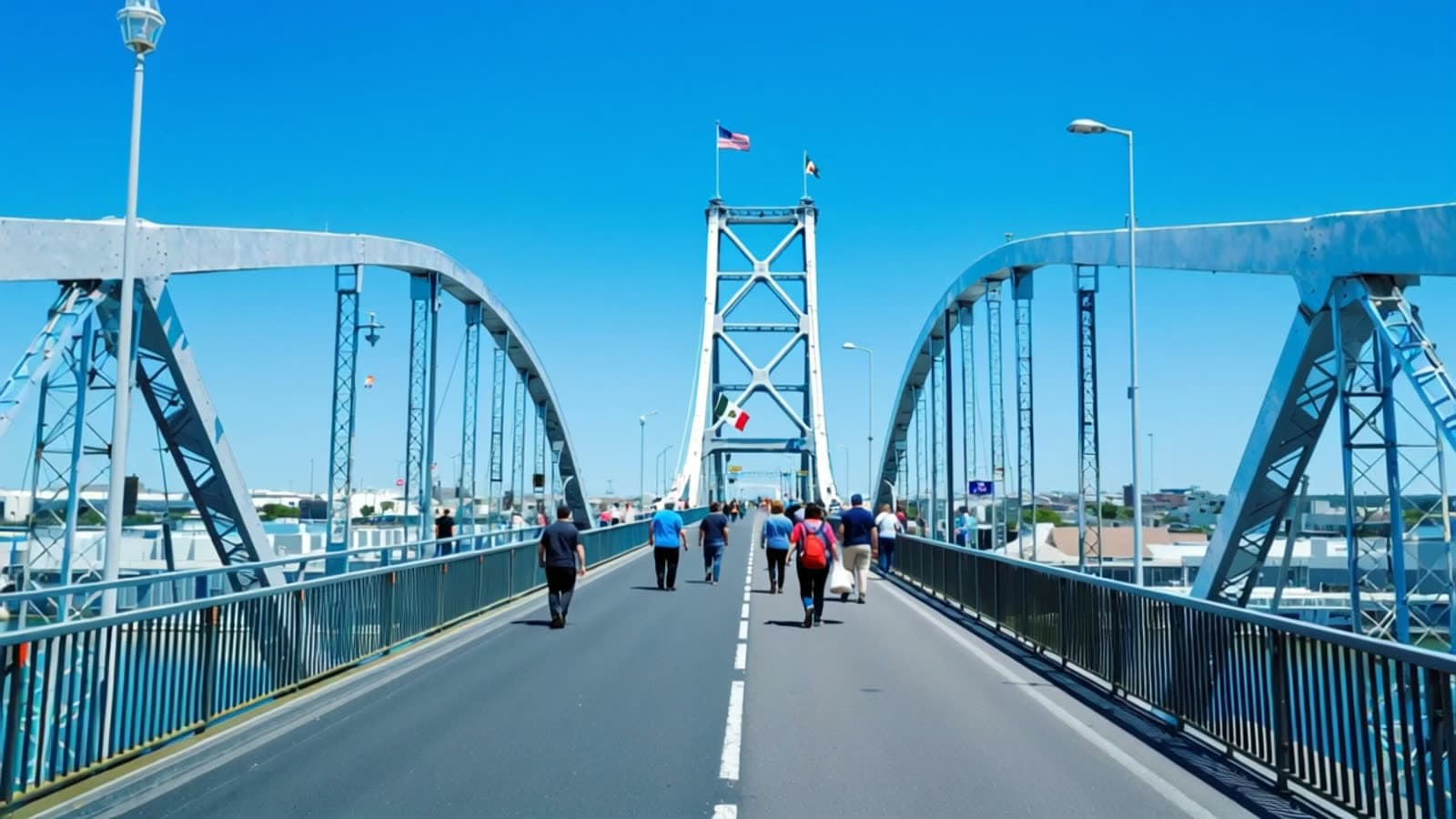
Plenty of people cross at Progreso for a dental appointment and come back with a bag of things they did not plan on. Glasses. A month of a medication that costs a fortune at home. A bottle of vanilla.
Most of that is perfectly legal. The rules that catch people out are not the ones about whether you may bring something back — they are the ones about how much, and about declaring it.
Here is what the rules actually say, and where they come from.
Declare everything. That part is not optional.
Customs and Border Protection is direct about this: all articles acquired in Mexico must be declared.
Declaring is not the same as paying. Most people who declare a bag of shopping pay nothing at all, because of the exemption below. What causes trouble is not declaring, being asked, and having the officer find it.
That is especially true of food and plants. CBP publishes fines of $75 to $1,000 for failing to declare agricultural items — which includes a surprising amount of ordinary shopping. If you are not sure whether something counts, declare it and ask. Asking is free.
The $800 exemption
Each returning US resident gets an $800 duty-free personal exemption for goods bought abroad.
Three details matter more than the number:
- It is per person, not per car. Children get their own exemption, so a family of four has $3,200 between them.
- It resets every 30 days. If you crossed three weeks ago and claimed it, you do not have a fresh one today.
- Going over it does not mean trouble. It means duty. You declare the total, and CBP works out what, if anything, is owed on the amount above the exemption.
Alcohol sits inside that exemption with limits of its own: one liter per person over 21, every 30 days, and one case of beer per person in the same window. Under 21 and it is confiscated — CBP's word, not ours.
Medication: the number to remember is 90 days
This is what most people at the Progreso bridge are actually carrying, and it has its own set of rules.
The general rule of thumb is no more than a 90-day supply of a prescription medication, brought back for your own personal use.
Alongside the quantity, three things make the difference between a quick conversation and a long one:
- Keep it in the original container, with the pharmacy's label and the instructions on it.
- Carry the prescription, or a note from your doctor, in English. If you do not have the original packaging, a copy of the prescription or a letter explaining the condition and why you need it does the same job.
- Declare it. Medication is an article acquired in Mexico like anything else.
Controlled substances are stricter
If the medication is a controlled substance — and that includes things people do not always think of, like some sleeping pills, tranquilisers, stimulants and certain cough preparations — the rules tighten.
For US residents entering at a land border with a validly obtained controlled substance and no prescription from a DEA-registered practitioner, the limit is 50 dosage units. With a prescription from a DEA registrant, more than 50 may be brought in.
CBP also asks that these are declared to an officer, carried in their original containers, and accompanied by a prescription or a written statement from your physician that you are using them under supervision.
And one thing worth being clear about
The FDA's position is that importing drugs which are not approved in the United States is generally not permitted, even for personal use. In practice the agency describes circumstances in which it may exercise discretion for a personal supply — but that is discretion, not a right, and it is not something to plan a trip around.
If a medication matters to your health, the safe version of this is: talk to your own doctor before you go, and come back with a quantity and paperwork that would survive a question.
What tends to be fine
- Over-the-counter items, in sensible personal quantities.
- Glasses and prescription sunglasses.
- Dental work already in your mouth. Nobody is going to ask you to declare a crown.
- Souvenirs, within the $800.
What tends to cause problems
- Fresh fruit, vegetables, plants, seeds and some meats. Declare, always.
- Anything in commercial quantities. "Personal use" is the test, and thirty identical boxes does not read as personal use.
- Medication with no label, no box and no paperwork.
Where to check
We are a directory, not a customs authority, and rules change. CBP publishes the requirements for travel to Mexico, the duty-free exemptions and the medication guidance on its own site, and their answer is the one that counts at the booth.
If you are crossing for treatment rather than shopping, our [safety and crossing page](/safety) covers the documents, the bridge toll and the live wait to get back — the practical half of the same trip.
Sources: [CBP — Are You Planning a Trip to Mexico?](https://www.cbp.gov/travel/us-citizens/cbp-reqs-mexico) · [CBP — Traveling with Medication to the United States](https://www.help.cbp.gov/s/article/Article-1444?language=en_US) · [FDA — Personal Importation](https://www.fda.gov/industry/import-basics/personal-importation)