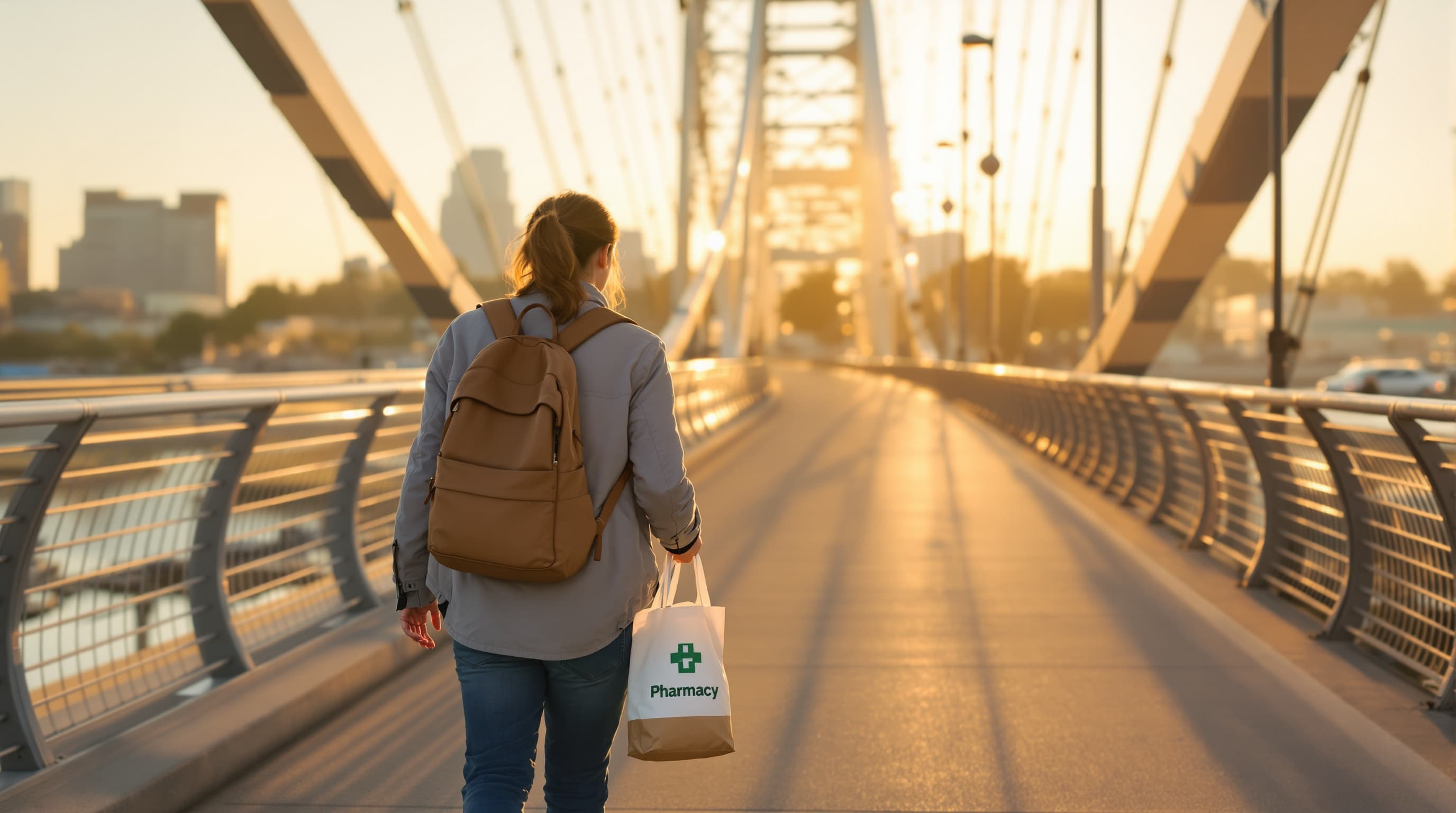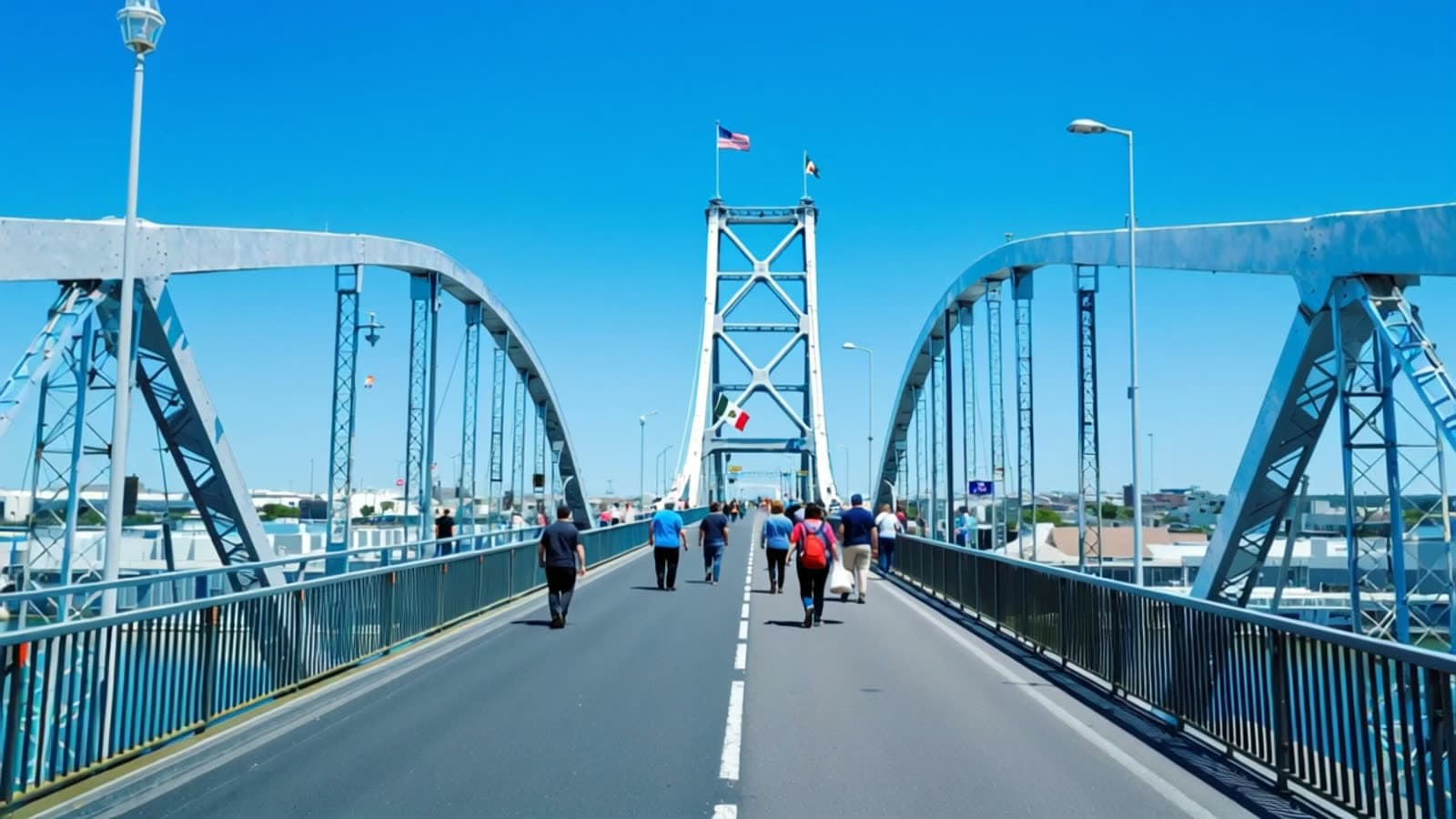
Walking into Mexico at Progreso takes about as long as walking. There is a turnstile, you pay, you are through.
The wait people actually plan around is the one coming back, because that is where US Customs and Border Protection inspects everyone. That queue can be nothing at all or it can be the longest part of your day, and the difference is not the day of the week — it is the hour.
The number is published, live, by CBP
CBP runs a public feed of border wait times for every crossing it operates, updated through the day, broken out by lane, with a timestamp attached to each reading.
That is the number to use. We show the current Progreso reading on our [safety and crossing page](/safety), taken straight from that feed, with CBP's own timestamp on it rather than ours — so you can see how fresh it is and decide for yourself whether to trust it.
Why we do not publish an "average wait"
Because it would be worse than useless.
A single average smooths together a Tuesday morning and the Saturday before Christmas, pedestrian lanes and vehicle lanes, and a lane that happened to be closed. Somebody reading "the average wait is twenty minutes" plans a trip around a number that has never once been true at the moment they are standing there.
The live reading is a real measurement of a real queue a few minutes ago. The average is arithmetic about the past.
How to read what CBP is telling you
The feed reports per lane, and there are more possible answers than "how many minutes".
- A number. A real reading — this many minutes, this many lanes open, taken at this time.
- Lanes closed. That lane is not operating. This is not the same as no wait; it means that route is shut and everybody is going through a different one.
- Nothing reported. CBP is not publishing a figure for that lane right now. It happens constantly, and it is honest — they are saying they do not know, not that it is empty.
That last one matters more than it sounds. Most of the records in CBP's feed at any moment are some form of "no reading", and they arrive with the minutes field simply blank. Software that treats a blank as a zero will confidently tell you there is no wait — including for lanes that are shut. Ours reports what CBP actually said, and says so when there is nothing to report. We would rather show you nothing than an old number.
The hours, and the bridge people confuse it with
CBP lists the Progreso crossing as open 24 hours a day, 7 days a week.
If you have read otherwise, there is a good reason. CBP's own data lists two nearby ports with Progreso in the name, and the second is the Donna–Rio Bravo bridge — a different crossing, a few miles away, with restricted hours. A lot of pages have quietly picked up the wrong bridge's schedule. We had it wrong ourselves until we went and checked.
The feed also carries notices about specific lanes. Pedestrian Ready lanes, for example, have run on their own limited daily window rather than the full 24 hours. If a particular lane matters to you, read the notice on the day rather than assuming.
Practical timing
Nothing here beats checking the live figure, but a few things are reliably true:
- Mornings are quieter than middays. The town fills up through the morning and empties in the late afternoon, and the return queue follows.
- Weekdays are quieter than weekends.
- The run-up to Christmas is the busiest stretch of the year, and the winter months in general are busier because the Rio Grande Valley's seasonal residents are here.
- Leaving at the same time as everyone else is the whole problem. If your appointment ends at four and the queue looks long, an hour in a café is often faster than an hour in the line.
If you have an appointment
Build the return queue into your plan, not your optimism.
A clinic visit that runs long is normal. What turns that into a bad day is having somewhere to be at six with no idea what the bridge looks like. Check the live reading before you walk back, and check it again if you end up waiting.
What else is on that page
Our [safety and crossing page](/safety) carries the live reading alongside the rest of the practical detail — the bridge toll in each direction, parking rates on the Texas side, the documents you need, and the questions worth asking a clinic before any work starts.
If it is your first crossing, the [first-time checklist](/blog/first-time-in-nuevo-progreso-checklist) is the shorter version of all of it.